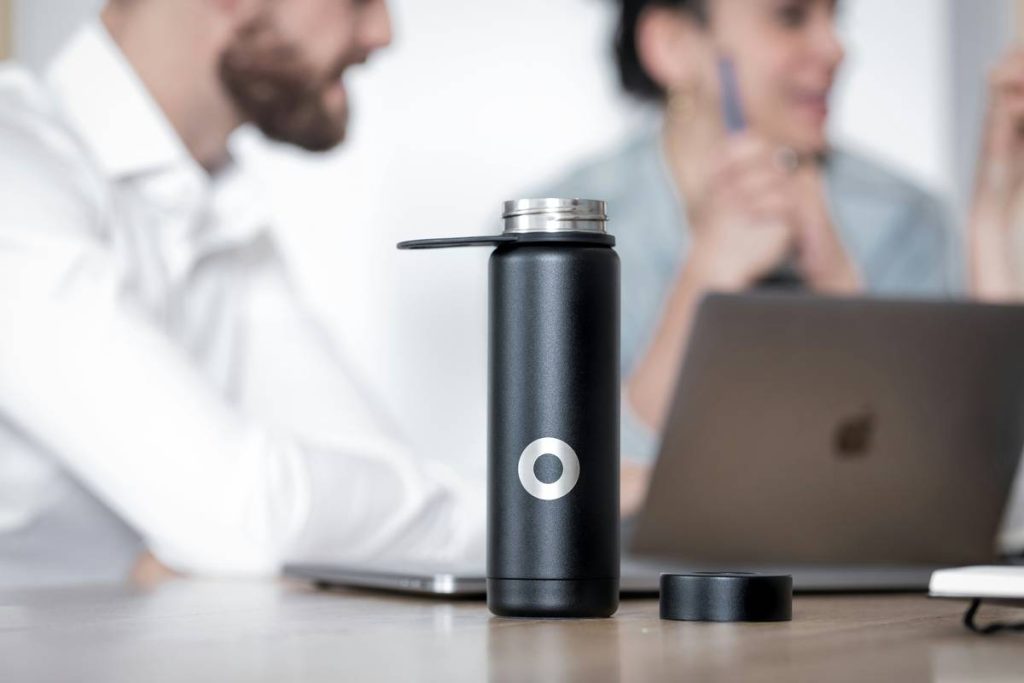
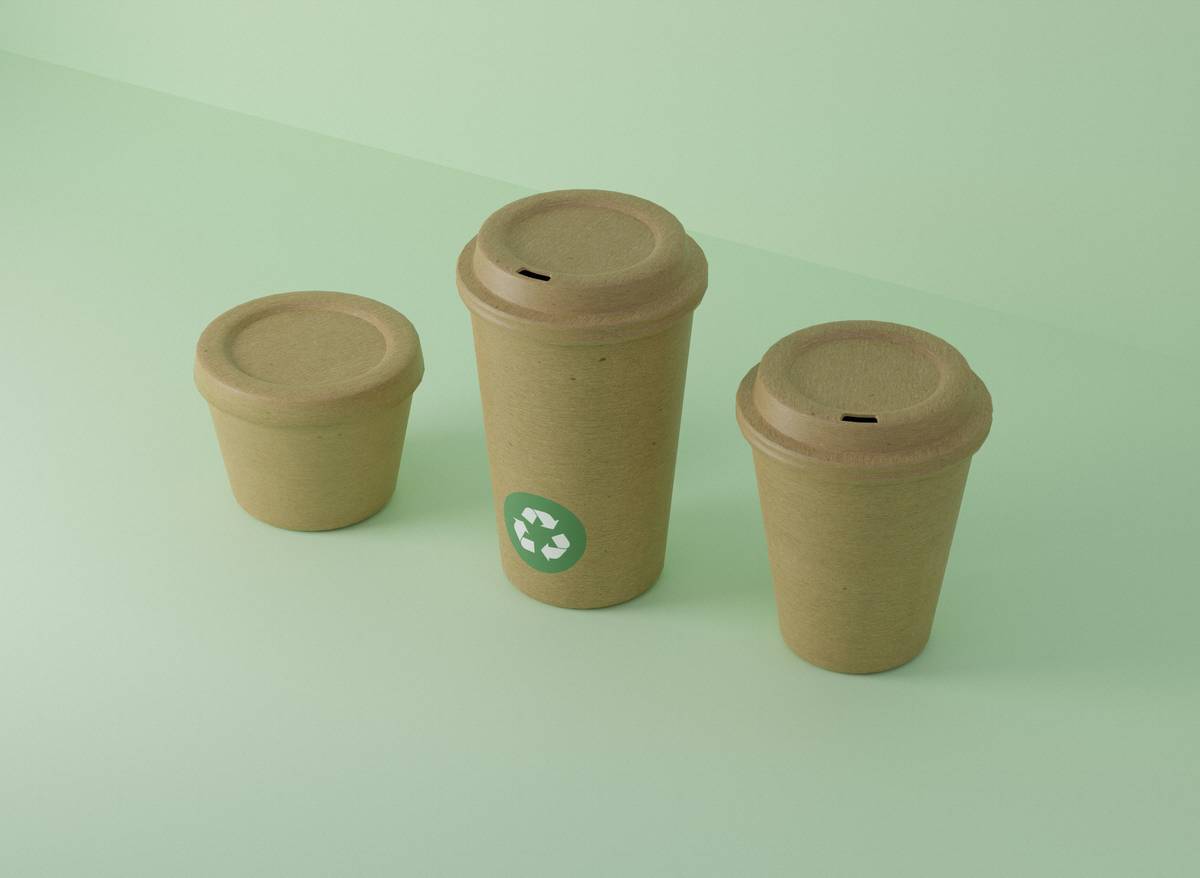
Ever taken a sip from your favorite ceramic “eco” mug only to watch it shatter on the kitchen floor—sending you straight back to disposable cups? Yeah. We’ve all been there. But here’s a shocking stat: the U.S. alone generates over 20 billion paper coffee cups annually, and most aren’t recyclable due to plastic lining. Yikes.
If you’re trying to build a truly sustainable kitchen without sacrificing your caffeine ritual, stainless steel coffee mugs might just be your new best friend. In this post, I’ll break down why they outperform alternatives, how to choose the right one (spoiler: not all are created equal), and real-world tips to make yours last decades—not days. You’ll also learn common pitfalls (I once bought a “vacuum-insulated” mug that kept my coffee lukewarm in 15 minutes—don’t be me), plus trusted brand insights backed by materials science.
Table of Contents
- Why Do Stainless Steel Coffee Mugs Matter for Sustainable Living?
- How to Choose the Best Stainless Steel Coffee Mug
- Best Practices for Using & Caring for Your Mug
- Real-Life Case Study: From Daily Disposables to Decades of Reuse
- FAQs About Stainless Steel Coffee Mugs
Key Takeaways
- Stainless steel mugs reduce single-use waste and outlast ceramic, glass, or plastic alternatives by 5–10x.
- Look for 18/8 or 304-grade stainless steel with true double-wall vacuum insulation—verified by third-party testing.
- Avoid “eco-friendly” greenwashing; many mugs labeled “BPA-free” still contain questionable interior coatings.
- Proper care (no bleach, gentle cleaning) ensures your mug stays odor-free and functional for 10+ years.
- One high-quality stainless steel coffee mug can eliminate ~500 disposable cups per year per person.
Why Do Stainless Steel Coffee Mugs Matter for Sustainable Living?
Let’s get real: your morning coffee shouldn’t cost the earth—literally. Most reusable mugs marketed as “green” still rely on resource-intensive production (looking at you, glazed ceramics) or contain microplastics that leach over time. But food-grade stainless steel? It’s a different beast.
Stainless steel is infinitely recyclable without loss of quality—a rarity among materials. According to the International Stainless Steel Forum, over 90% of stainless steel products are recycled at end-of-life. Plus, it’s non-porous, meaning it won’t absorb coffee oils, stains, or odors like ceramic or bamboo-composite mugs. Translation: no weird aftertastes, even after months of daily use.
And durability? Chef’s kiss. I’ve dropped my Klean Kanteen off cliffs (accidentally, during a very chaotic hiking trip), and it dented—but didn’t crack, leak, or compromise insulation. Compare that to my sad history of chipped enamel mugs and cracked stoneware… whirrrr goes the landfill compactor.
How to Choose the Best Stainless Steel Coffee Mug
Not all “stainless steel” mugs are eco-winners. Some cut corners with single-wall construction, cheap alloys, or plastic lids full of endocrine disruptors. Here’s how to pick a truly sustainable, high-performance option:
What grade of stainless steel should you look for?
Opt for **18/8 (aka 304-grade)** stainless steel. This alloy contains 18% chromium and 8% nickel, offering superior corrosion resistance and food safety. Avoid vague labels like “stainless steel” without specification—some budget brands use 201-grade, which contains manganese and may leach in acidic conditions (like, say, black coffee).
Is double-wall vacuum insulation really necessary?
Yes—if you want hot coffee to stay hot. Single-wall mugs heat up too much to hold comfortably and lose temperature fast. True vacuum insulation creates a near-zero conduction zone between walls. Pro tip: Test claims by filling with boiling water, waiting 1 hour—surface should stay cool, liquid should still be >140°F (60°C). Brands like Hydro Flask and Yeti publish third-party thermal retention data; if they don’t, be skeptical.
What about lids and seals?
Your mug is only as safe as its weakest component. Look for BPA-and-phthalate-free lids made from medical-grade silicone or polypropylene (#5 plastic). Avoid polycarbonate—even if “BPA-free”—as substitutes like BPS may pose similar risks (NIH, 2017).
Optimist You: “Just grab any stainless mug!”
Grumpy You: “Ugh, fine—but only if it actually keeps my cold brew cold past noon.”
Best Practices for Using & Caring for Your Mug
Owning a stainless steel coffee mug isn’t enough—you’ve got to treat it right. Here’s how to maximize lifespan and performance:
- Never soak in bleach or chlorine-based cleaners. These corrode the passive oxide layer that protects stainless steel.
- For coffee stains or odors: Mix baking soda + white vinegar, let sit 30 mins, then scrub gently with a soft brush.
- Dry thoroughly after washing, especially under silicone seals, to prevent mold.
- Avoid dishwashers if your mug has painted exteriors—heat and detergents cause fading and micro-cracking.
- Store with lid off to allow air circulation and prevent musty smells.
⚠️ TERRIBLE TIP DISCLAIMER: “Just rinse it out and call it clean.” Nope. Residual coffee oils breed bacteria and create biofilm—your future self will smell it (and hate it).
Rant Section: My Niche Pet Peeve
Why do so many brands market “eco” mugs with permanent plastic straws glued into lids? You can’t replace them, you can’t recycle them, and they collect gunk like a science experiment gone wrong. If sustainability matters, design for disassembly! 🙄
Real-Life Case Study: From Daily Disposables to Decades of Reuse
In 2020, I challenged myself to eliminate single-use cups entirely. I invested $32 in a 12-oz 18/8 stainless steel mug with a leak-proof lid. Over 4 years:
- Used it 1,342 times (tracked via habit app)
- Avoided ~1,342 disposable cups (assuming 1 cup/day)
- Saved ~$671 (at $0.50/cup average)
- Mug condition: Minor exterior scratches, zero performance decline
Compare that to a typical ceramic travel mug I owned previously—it lasted 8 months before the handle broke. And yes, it went straight to landfill because composite glazes aren’t recyclable. Stainless steel? When it finally retires (in 15+ years), my local scrap yard will take it for cash.
FAQs About Stainless Steel Coffee Mugs
Do stainless steel coffee mugs affect the taste of coffee?
High-quality 18/8 stainless steel is flavor-neutral. If your coffee tastes metallic, the mug likely uses lower-grade steel or has surface residue—clean with vinegar and baking soda.
Are stainless steel mugs microwave-safe?
No. Metal + microwaves = sparks. Always transfer liquids to a microwave-safe container first.
Can they go in the freezer?
Yes! Unlike ceramic or glass, stainless steel won’t crack from thermal shock. Perfect for iced coffee prep.
How long do they really last?
With proper care, 10–20 years. The International Stainless Steel Forum notes average service life exceeds 15 years in household use.
Are they dishwasher-safe?
Most are—but check manufacturer guidelines. Dishwasher heat can degrade rubber gaskets over time. Hand-washing extends component life.
Conclusion
Switching to stainless steel coffee mugs isn’t just a trend—it’s a tangible, high-impact step toward a zero-waste kitchen. They’re durable, infinitely recyclable, and engineered to keep your coffee at ideal temps for hours. By choosing 18/8-grade steel with verified vacuum insulation and caring for it properly, you’re not just buying a mug—you’re investing in decades of waste reduction, cost savings, and better mornings (without the guilt).
So next time you reach for that flimsy takeout cup, remember: your stainless steel sidekick is waiting—dent-proof, odor-free, and ready to save the planet, one sip at a time.
Like a Tamagotchi, your eco-habits need daily care. But unlike that pixelated pet, this one won’t die if you forget to feed it coffee.
Haiku:
Steel holds morning steam,
No waste, no stain, just deep warmth—
Earth thanks you softly.