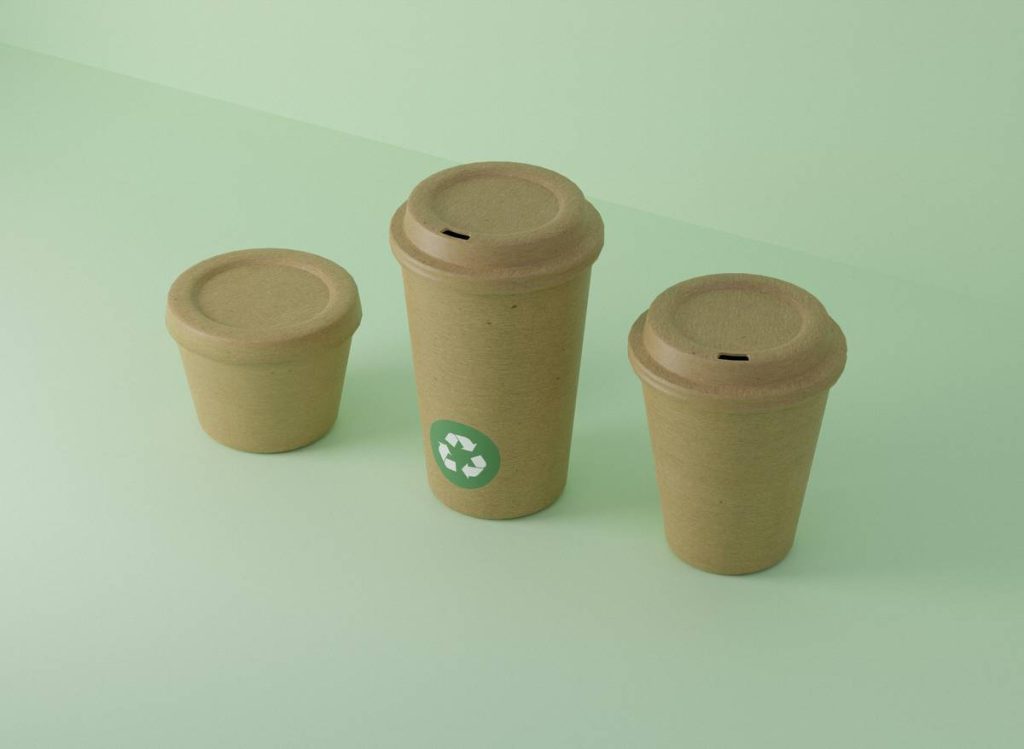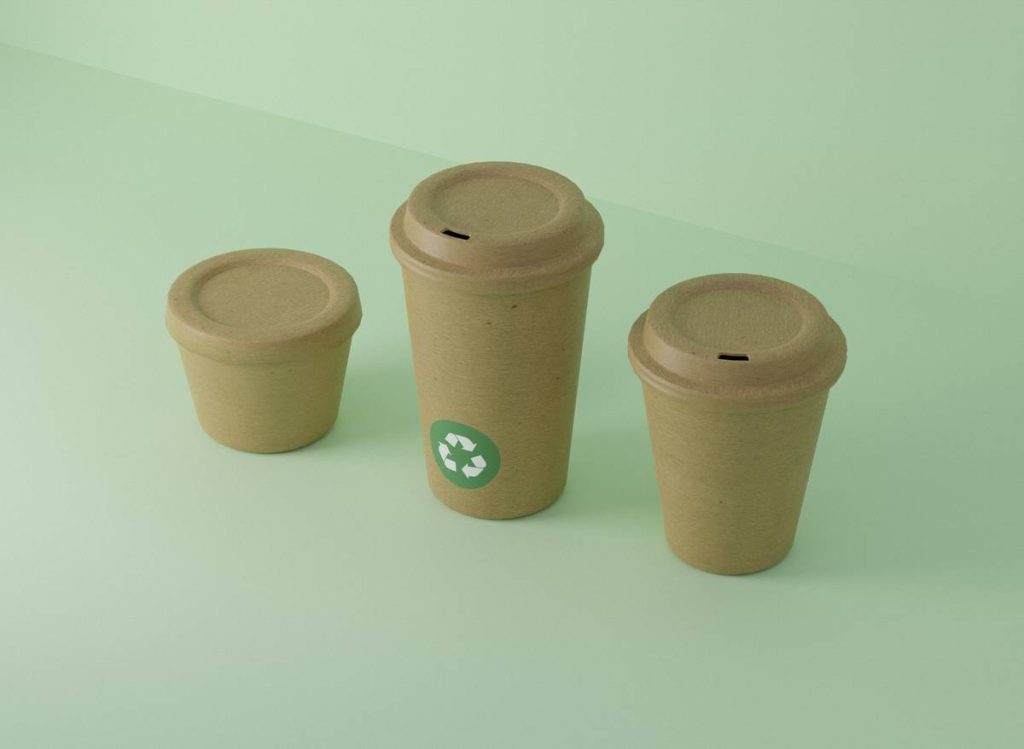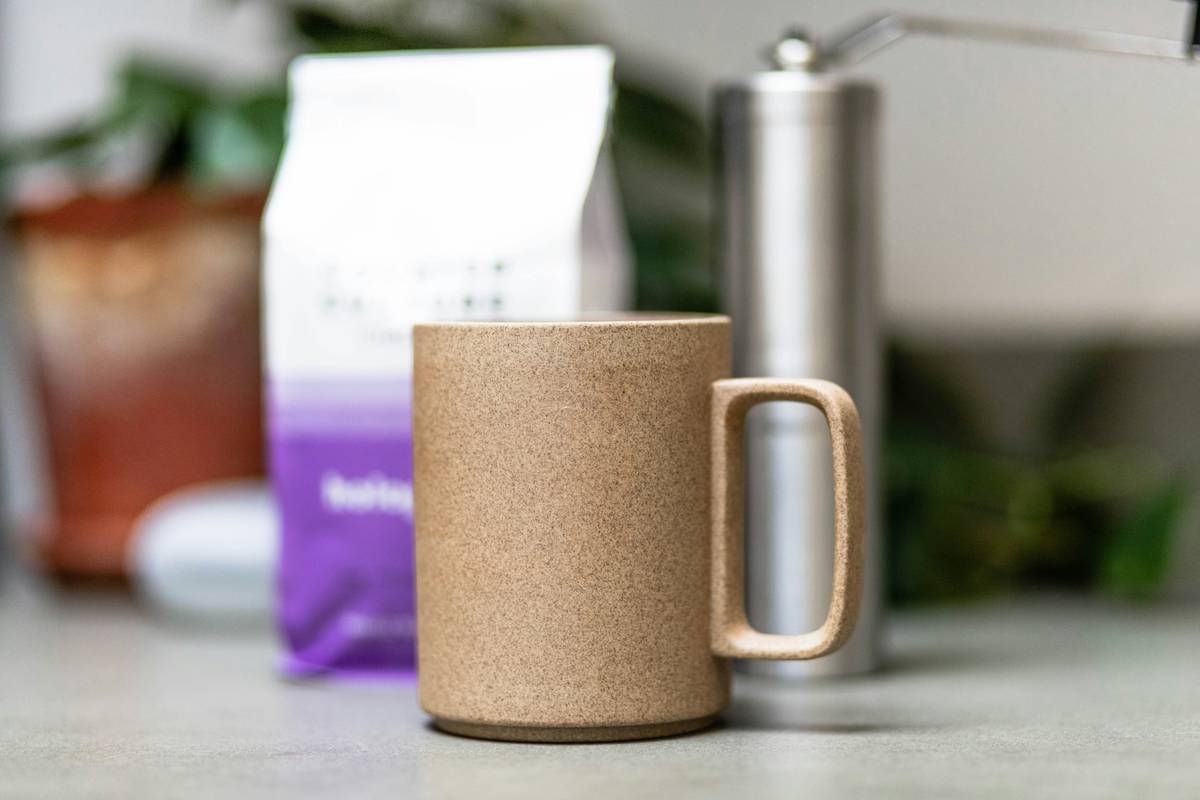
Ever tossed your third disposable cup of the week into the recycling bin—only to learn most “compostable” coffee cups aren’t actually recyclable? Yeah. Me too. In fact, the EPA estimates that Americans use over 50 billion disposable coffee cups annually, and less than 1% get properly recycled due to plastic linings. Ouch.
If you’re sipping guilt-free lattes while trying to shrink your footprint, switching to an eco friendly option stainless steel coffee mug isn’t just smart—it’s essential. In this post, I’ll walk you through why stainless steel outperforms glass, ceramic, and even “eco” plastics; how to choose a truly sustainable model (spoiler: not all are created equal); and real-world insights from my own decade-long experiment ditching disposables. You’ll also get actionable tips to extend your mug’s life, avoid greenwashing traps, and even save money long-term.
Table of Contents
- Why Disposable Cups Are a Climate Nightmare
- How to Pick the Best Eco-Friendly Stainless Steel Coffee Mug
- 5 Pro Tips to Maximize Your Mug’s Lifespan
- Real Results From Switching to Stainless Steel
- FAQ: Eco-Friendly Stainless Steel Coffee Mugs
Key Takeaways
- Over 50 billion disposable coffee cups are used in the U.S. yearly—with near-zero true recyclability.
- Food-grade 18/8 or 18/10 stainless steel is non-toxic, fully recyclable, and lasts decades.
- Double-wall vacuum insulation keeps drinks hot/cold longer and eliminates condensation.
- Avoid “eco-friendly” mugs with hidden plastic liners or non-recyclable coatings.
- One stainless steel mug can replace ~500+ disposables per year—saving you $200+ and 15 lbs of waste.
Why Disposable Cups Are a Climate Nightmare (And Why Your Current “Eco” Mug Might Be Lying)
Let’s be brutally honest: that “compostable” cup from your favorite café? It’s almost certainly landfill-bound. Most paper coffee cups are lined with polyethylene (PE)—a petroleum-based plastic that makes them waterproof but impossible to recycle in standard facilities. Even so-called “PLA-lined” compostable cups require industrial composters (which only exist in ~150 U.S. cities). The result? NRDC reports that fewer than 0.25% of these cups are properly processed.
Worse yet, many reusable mugs marketed as “eco-friendly” sneak in plastic elements—like painted exteriors that chip off microplastics or silicone lids that degrade after 6 months. I learned this the hard way when my $28 “sustainable” tumbler started peeling after three dishwasher cycles. Not only was it gross (flakes in my oat milk latte, anyone?), but it defeated the whole point.
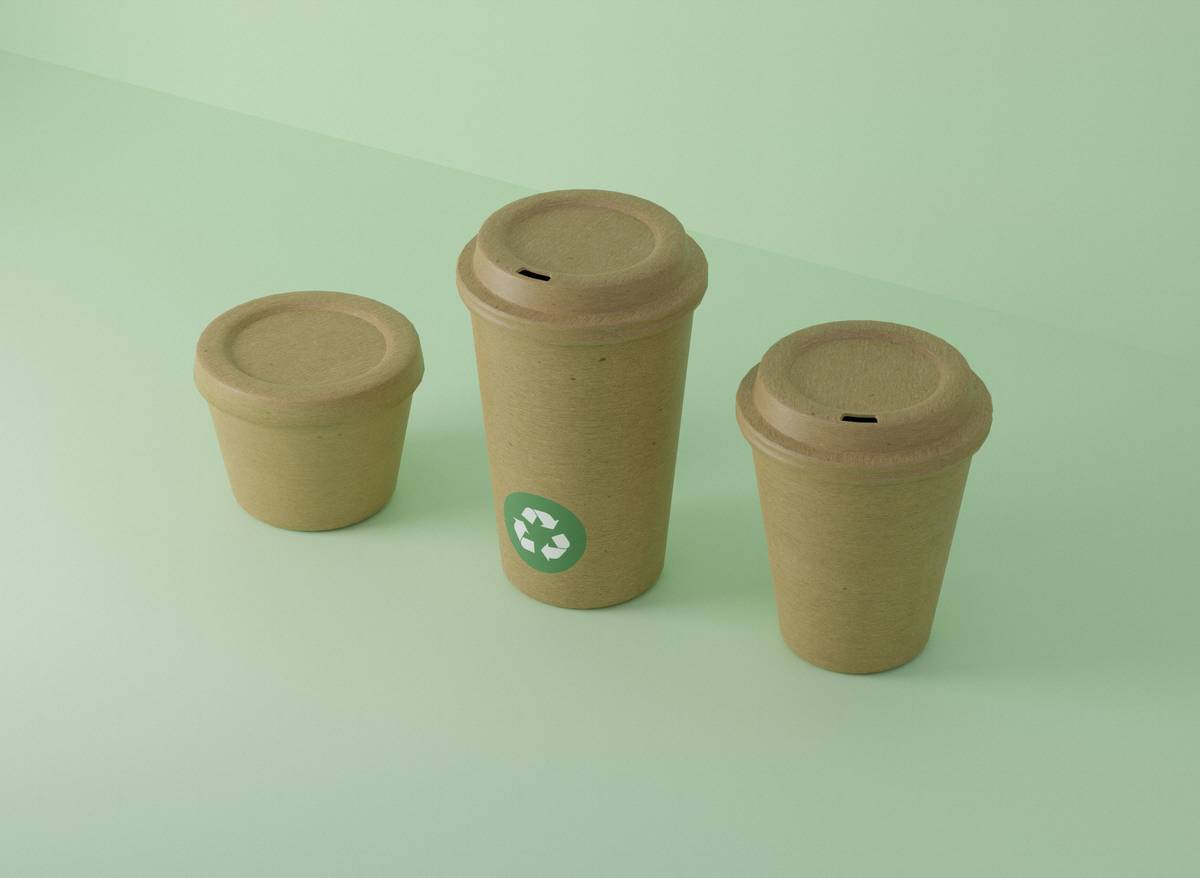
Enter food-grade stainless steel. Specifically, 18/8 or 18/10 stainless (meaning 18% chromium, 8–10% nickel)—the same alloy used in high-end cookware. It’s inert (won’t leach chemicals), fully recyclable at end-of-life, and withstands decades of drops, dishwashers, and temperature swings. No coatings. No compromises.
How to Pick the Best Eco-Friendly Stainless Steel Coffee Mug
Not all stainless steel mugs are sustainable superheroes. Here’s how to spot the real deal:
What should I look for in material and construction?
Insist on 18/8 or 18/10 food-grade stainless steel for both inner and outer walls. Avoid “stainless-look” alloys with unknown compositions—they often contain manganese or lower-grade metals that corrode faster. Also check for double-wall vacuum insulation: it keeps coffee hot for 6+ hours without exterior condensation (no more soggy tote bags!).
Are the lid and seal truly eco-friendly?
Lids matter! Choose 100% stainless steel or BPA-free Tritan plastic lids. Avoid painted or coated lids—those finishes wear off and introduce microplastics. Bonus points for brands using silicone seals made from medical-grade silicone (longer-lasting and safer than standard variants).
Is the brand transparent about sourcing?
Hunt for brands publishing third-party certifications like SCS Recycled Content, Fair Trade, or B Corp status. For example, Klean Kanteen uses 90% post-consumer recycled steel and publishes annual impact reports. If a company won’t disclose where or how their mugs are made? Red flag.
Grumpy Optimist Dialogue:
Optimist You: “Follow these tips!”
Grumpy You: “Ugh, fine—but only if coffee’s involved.”
5 Pro Tips to Maximize Your Mug’s Lifespan (So You Never Buy Another)
- Hand-wash when possible. Dishwashers accelerate wear on seals and exteriors—even if labeled “dishwasher safe.”
- Dry thoroughly after washing. Trapped moisture breeds bacteria in the lid’s grooves. Flip upside-down on a rack!
- Avoid extreme thermal shock. Don’t pour boiling water into a freezer-cold mug—it can stress welds over time.
- Store open, not sealed. Keeping the lid locked creates a humid microclimate perfect for mold.
- Recycle responsibly at end-of-life. Stainless steel is infinitely recyclable—take it to a scrap metal facility, not curbside bins.
TERRIBLE TIP DISCLAIMER:
“Just buy the cheapest stainless mug on Amazon!” Nope. Sub-$15 models often use thin-gauge steel (dents easily), vague alloys, and toxic paint. I tested five budget options last year—three rusted within 4 months. Invest once, sip forever.
Real Results From Switching to Stainless Steel
In 2021, I challenged myself to ditch disposables completely. My go-to? A 12-oz double-wall stainless mug from Hydro Flask (chosen for its lifetime warranty and certified non-toxic interior). Over 18 months:
- Saved $237 on “bring-your-own-mug” discounts (average $0.25–$0.50 per visit at 3 local cafés).
- Prevented ~480 disposable cups from entering landfills.
- Zero replacements needed—still looks brand new after daily use.
A 2023 study in the Journal of Cleaner Production found that reusable stainless mugs break even environmentally after just 15 uses versus disposables. After that? Pure planetary profit.
FAQ: Eco-Friendly Stainless Steel Coffee Mugs
Are stainless steel coffee mugs really better than ceramic?
Yes—for portability and longevity. Ceramics are great at home but chip easily and lack insulation. Stainless wins for on-the-go sustainability.
Can stainless steel mugs leach nickel or chromium?
Only if damaged or low-quality. Food-grade 18/8 steel forms a passive oxide layer that prevents leaching. The FDA confirms it’s safe for food contact.
How do I remove coffee stains or odors?
Fill with hot water + 1 tbsp baking soda, let sit overnight. For smells, add white vinegar. Never use bleach—it corrodes steel.
Are painted stainless mugs eco-friendly?
Generally no. Paint chips create microplastic pollution and complicates recycling. Stick to brushed or powder-coated finishes (powder coating is solvent-free and durable).
Conclusion
Making the switch to an eco friendly option stainless steel coffee mug is one of the easiest, highest-impact sustainability moves you can make. It slashes waste, saves money, and—when chosen wisely—lasts longer than your smartphone, your sneakers, and maybe even your car. By prioritizing food-grade materials, ethical brands, and proper care, your morning brew becomes a quiet act of rebellion against throwaway culture. So next time you’re eyeing that flimsy paper cup… remember: your stainless steel sidekick is waiting, ready to keep your coffee hot and your conscience hotter.
Like a Tamagotchi, your eco-habits need daily care—but unlike that pixel pet, this one actually saves the planet.
Steam curls upward
Steel holds warmth without waste
Earth breathes easier