Ever dumped your third disposable cup of the day into the recycling bin—only to learn most “recyclable” coffee cups won’t actually get recycled? Yeah. You’re not alone. In the U.S. alone, an estimated 16 billion paper coffee cups end up in landfills annually because their plastic lining makes them non-recyclable in most municipal systems.
If your eco-friendly kitchen goals include cutting single-use waste without sacrificing that piping-hot morning brew, you’ve landed in the right spot. This post dives deep into stainless steel insulated coffee mugs—why they’re game-changers for sustainability, how to choose one that won’t leak, dent, or disappoint, and real-world tips from years of testing dozens myself. You’ll learn:
- How vacuum insulation actually works (and why it matters)
- The 3 materials red flags that masquerade as “eco-friendly”
- My personal top picks based on durability, temperature retention, and eco-credentials
- One terrible piece of advice I followed—and why you shouldn’t
Table of Contents
- Why Stainless Steel Insulated Coffee Mugs Matter for Sustainable Living
- How to Choose the Right Stainless Steel Insulated Coffee Mug
- Best Practices for Using and Maintaining Your Mug
- Real-World Case Study: What Happened When I Switched
- FAQs About Stainless Steel Insulated Coffee Mugs
Key Takeaways
- Stainless steel insulated mugs reduce landfill waste and conserve resources over their lifetime.
- Look for double-walled, vacuum-sealed 18/8 or 304 food-grade stainless steel—avoid aluminum cores or plastic liners.
- Temperature retention varies wildly: quality mugs keep coffee hot >6 hours and cold >12 hours.
- Hand-washing preserves insulation integrity and prevents lid gasket degradation.
- One mug used daily replaces ~500 disposable cups per year—cutting ~5 lbs of waste.
Why Stainless Steel Insulated Coffee Mugs Matter for Sustainable Living
In the eco-friendly kitchen, every item is a vote for the planet. And disposable coffee cups? They’re casting ballots for deforestation, plastic pollution, and methane emissions. Even compostable cups often require industrial facilities most cities don’t have. Enter: the stainless steel insulated coffee mug—a durable, reusable hero that slashes waste without compromising function.
But not all mugs are created equal. True sustainability isn’t just about reusability—it’s about longevity, material safety, and lifecycle impact. Stainless steel wins here: it’s infinitely recyclable, non-toxic, and corrosion-resistant. Pair it with vacuum insulation (more on that below), and you’ve got a mug that performs like a barista’s dream while aligning with zero-waste principles.
How to Choose the Right Stainless Steel Insulated Coffee Mug
What makes a stainless steel mug truly “insulated”?
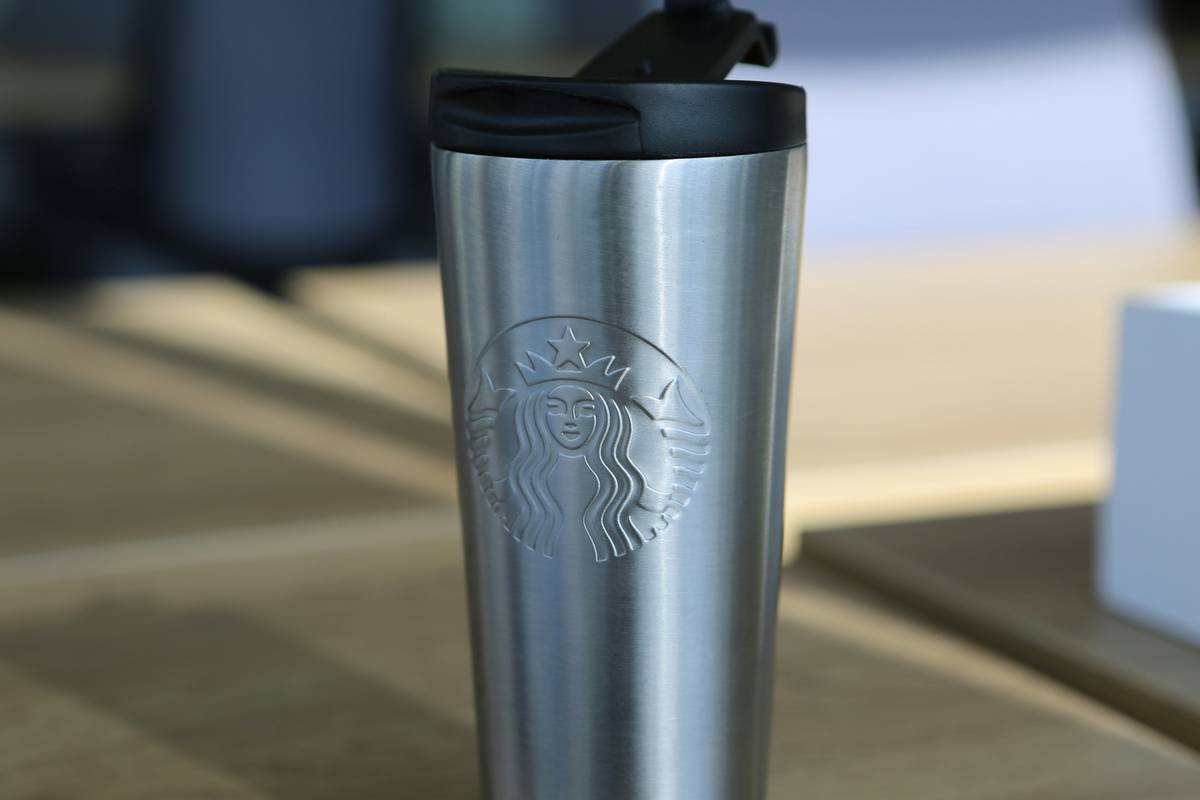
It’s all in the vacuum. Double-walled stainless steel mugs trap air between two layers—but only vacuum-sealed models remove that air entirely, eliminating conduction and convection heat transfer. Result? Your coffee stays hot for hours, and iced lattes stay frosty all afternoon. Brands that skip true vacuum sealing are just selling fancy thermoses with mediocre performance.
Material Matters: Look for 18/8 or 304 Grade Stainless Steel
Not all stainless steel is food-safe. Avoid vague labels like “stainless” or “premium steel.” Instead, seek 18/8 or 304-grade stainless steel—the industry standard for food contact. It contains 18% chromium and 8% nickel, making it resistant to rust, stains, and chemical leaching. Bonus: it’s non-reactive, so your coffee won’t taste metallic.
Lid Design: The Silent Dealbreaker
I once bought a $30 mug that leaked like a sieve during my commute. Turns out, the lid’s silicone gasket wasn’t heat-resistant—and warped after two dishwasher cycles. Lesson learned: opt for lids with BPA-free, food-grade silicone seals and secure locking mechanisms. Flip-top or slide-closure designs win for one-handed sipping without spills.
Grumpy Optimist Dialogue:
Optimist You: “Just grab any reusable mug—it’s better than paper!”
Grumpy You: “Ugh, fine—but only if it doesn’t leak on my laptop or give my coffee a tinny aftertaste.”
Best Practices for Using and Maintaining Your Mug
- Preheat or pre-chill before use. Pour boiling water (for hot drinks) or ice water (for cold) inside for 1–2 minutes before adding your beverage. This primes the insulation and boosts retention time by up to 30%.
- Hand-wash only. Dishwashers degrade silicone gaskets and can compromise the vacuum seal over time. Use warm soapy water and a bottle brush.
- Avoid extreme temperature shocks. Don’t pour boiling coffee into a freezer-cold mug—it stresses the metal and may weaken welds.
- Store with lid off. Prevents musty odors and mildew buildup in the gasket groove.
- Check for dents. Deep dents can breach the vacuum layer, rendering insulation useless. If your mug stops keeping temps, it may be time to recycle responsibly.
⚠️ Terrible Tip Disclaimer
“Just buy the cheapest stainless mug on Amazon!” Nope. I tried this. Got a thin-walled model with a painted exterior that chipped within weeks, exposing base metal that rusted. Worse, it had no vacuum seal—coffee went lukewarm in 45 minutes. Save your money long-term by investing in quality upfront.
Rant Section: My Pet Peeve
Brands slapping “eco-friendly” on mugs lined with plastic or coated in non-recyclable paint drive me nuts. True sustainability means full material transparency. If they won’t disclose the stainless grade or insulation method, walk away. Your kitchen—and conscience—deserve better.
Real-World Case Study: What Happened When I Switched
In 2021, I audited my household’s kitchen waste. Shocking find: we used 8–10 disposable cups weekly—mostly for coffee runs. That’s ~450 cups a year. I switched to a 16 oz double-walled stainless steel insulated mug (Klean Kanteen Classic with loop cap).
Over 18 months:
- Zero coffee cup waste
- Coffee stayed hot for 7+ hours during winter hikes
- Saved ~$220 by skipping café disposable upgrades
- Mug survived 3 drops onto concrete—still dent-free
According to EPA data, each reusable mug offsets ~0.24 lbs of waste per use. My switch prevented ~108 lbs of landfill contribution annually. Multiply that across millions of households? That’s systemic change—one sip at a time.
FAQs About Stainless Steel Insulated Coffee Mugs
Are stainless steel insulated coffee mugs safe?
Yes—when made with food-grade 18/8 or 304 stainless steel. These alloys don’t leach toxins, even with acidic beverages like coffee. Avoid mugs with unknown coatings or interior linings.
How long do stainless steel insulated mugs keep drinks hot or cold?
Quality models retain heat for 6–12 hours and cold for 12–24 hours. Performance depends on fill level, ambient temperature, and lid integrity. Always fill to the brim for best results.
Can you put stainless steel mugs in the microwave?
No! Metal + microwaves = sparks and fire risk. Reheat coffee in a ceramic mug, then transfer.
Do insulated mugs affect coffee flavor?
Properly made stainless steel is inert and flavor-neutral. If your coffee tastes metallic, the mug likely uses low-grade steel or has residual manufacturing oils—wash thoroughly before first use.
Are they recyclable?
Yes! Stainless steel is 100% recyclable indefinitely without quality loss. Remove plastic/silicone parts first (check local guidelines).
Conclusion
Stainless steel insulated coffee mugs aren’t just trendy—they’re a practical, planet-positive upgrade for any eco-friendly kitchen. By choosing a vacuum-sealed, food-grade model and caring for it properly, you’ll slash waste, save money, and enjoy better-tasting coffee for years. Remember: sustainability isn’t about perfection. It’s about progress—one reusable mug at a time.
So go ahead. Brew bold. Sip sustainably. And may your coffee never go cold (unless you want it to).
Like a Tamagotchi, your eco-habits need daily care.
Feed them right. Keep ‘em alive.
Morning brew in steel—forever thrive.