You bought a reusable mug to do your part. But every morning, that plastic lid cracks a little more—and microplastics leach into your brew. You’re trying to save the planet, yet your “eco” choice might be contributing to landfill buildup and hidden toxins. The solution? Ditch flimsy composites. Go full stainless steel—no coatings, no compromises.
The Truth About Most “Eco” Mugs
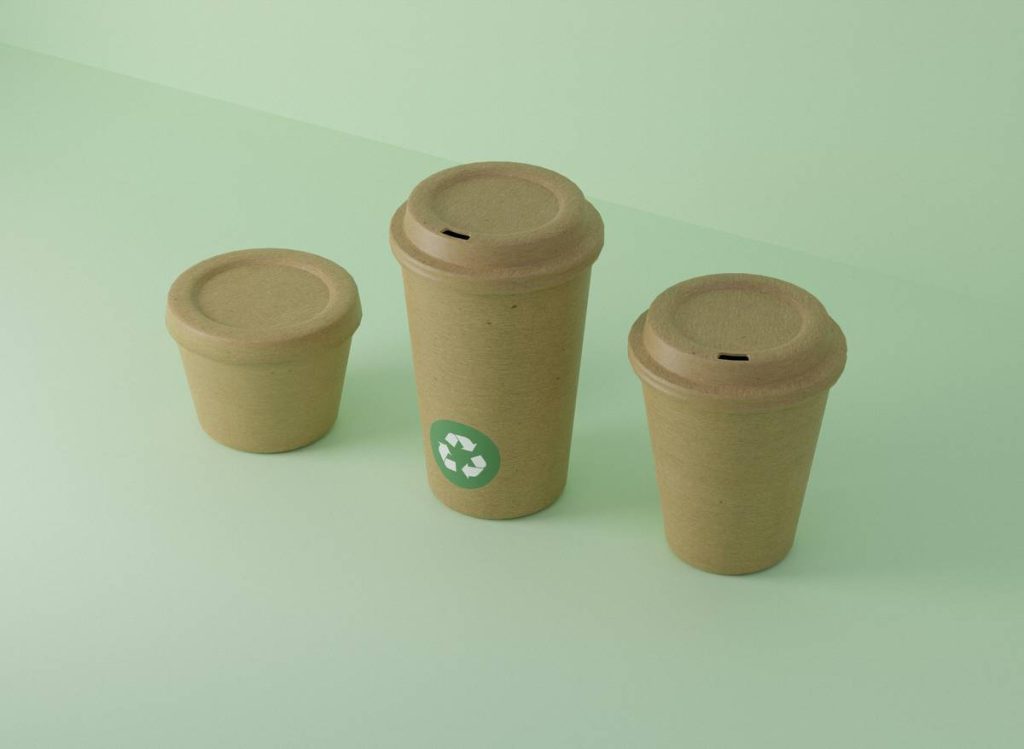
Most products marketed as eco friendly coffee sipper mugs aren’t built to last. They combine bamboo fiber, corn resin, or recycled plastic with metal bodies. Sounds green—until you realize these hybrids can’t be recycled properly. And when the seal fails (which it always does), you toss the whole thing.
Worse? Many contain BPA alternatives like BPS or BPF—chemicals just as disruptive to hormones. “Biodegradable” claims often require industrial composters that don’t exist in 90% of U.S. cities. So your guilt-free morning cup ends up in a methane-belching dump.
How to Choose a Truly Sustainable Coffee Sipper
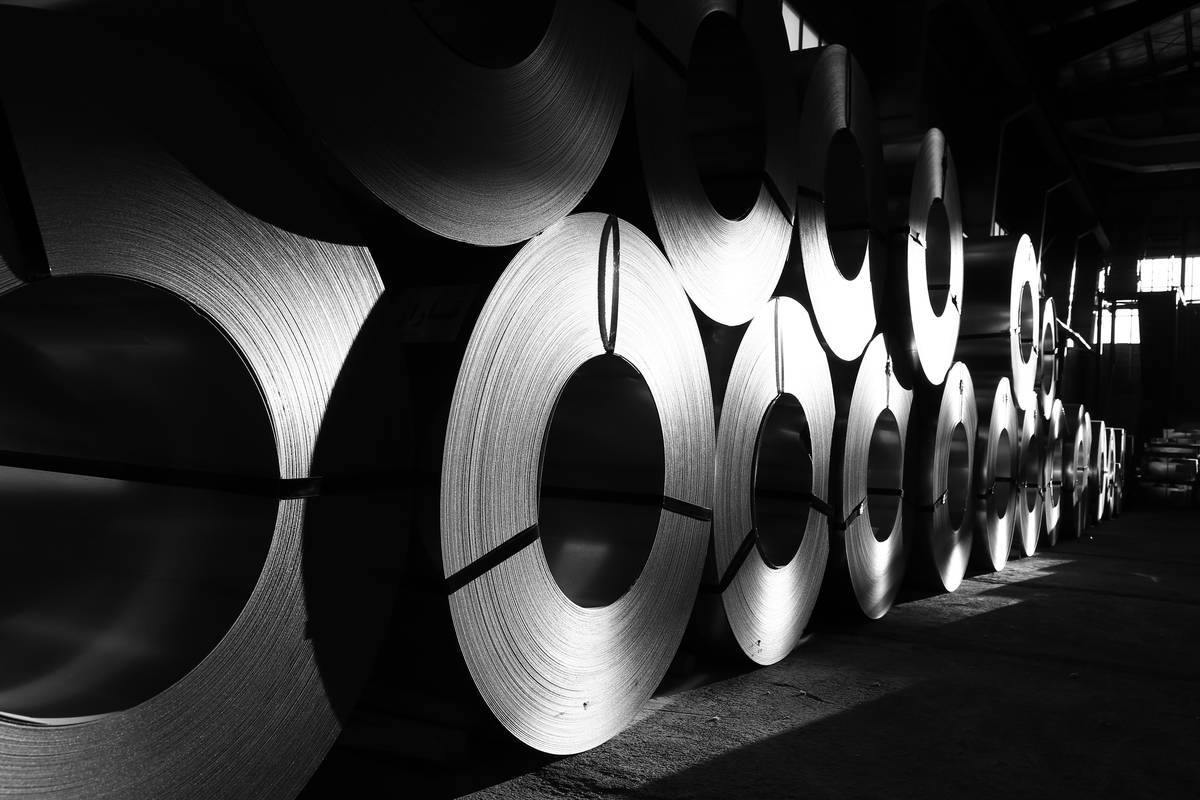
Pick one material. Stick with it. Stainless steel—specifically 18/8 food-grade—is your best bet. It’s inert, infinitely recyclable, and survives decades of drops, dishwashers, and dawn commutes.
Material Matters More Than Marketing
Look for single-wall or double-wall 304 or 316 stainless steel. Avoid painted exteriors—they chip. Skip silicone sleeves unless they’re removable (they trap grime). And never trust vague terms like “eco-safe” without third-party certifications like SCS Global or Cradle to Cradle.
Lid Design Dictates Longevity
A great eco friendly coffee sipper mug needs a lid that seals without plastic gaskets. Some brands use all-metal press-fit lids with precision threading. Others integrate medical-grade silicone—but only if it’s replaceable, not molded in.
End-of-Life Impact
Stainless steel has a 90%+ recycling rate globally. Bamboo-composite? Near zero. When your mug finally gives out—maybe in 2045—you can toss it curbside in most municipalities and know it’ll become a new pot, pipe, or panel.
| Mug Type | Typical Lifespan | Recyclable? | Hidden Toxins? | True Cost Per Year* |
|---|---|---|---|---|
| Stainless Steel (18/8) | 10–20 years | Yes — widely | No | $1.50 |
| Bamboo Fiber + Resin | 6–18 months | No — landfilled | Potentially | $8.00 |
| Recycled Plastic | 1–3 years | Rarely | Often (BPA alternatives) | $4.20 |
| Ceramic Travel Mug | 2–5 years | Technically yes, but rarely accepted | Sometimes (glaze leaching) | $6.75 |
*Based on $15–$30 purchase price amortized over lifespan, excluding environmental externalities.

The Industry Secret Big Brands Don’t Want You to Know
Here’s what sustainable manufacturers whisper in backrooms: most “eco” mugs are designed to fail. Not through malice—but because durability kills repeat sales. If your mug lasts 15 years, you won’t buy three replacements. So corners get cut: thin walls, cheap welds, non-replaceable parts.
But a handful of ethical workshops—often family-run in Germany, Japan, or Oregon—still build heirloom-grade stainless mugs. They cost more upfront ($28–$38), but their break-even point is under two years versus disposable cups. And they track carbon per unit, publish repair guides, and offer lifetime lid replacements. Find them. Support them. Your future self—and the planet—will thank you.
FAQ
Are stainless steel coffee mugs really better for the environment?
Yes—if they’re pure stainless with no composite layers. They last decades and recycle cleanly, unlike hybrid “eco” mugs that end up in landfills.
Can I put my eco friendly coffee sipper mug in the dishwasher?
Absolutely—high-quality 18/8 stainless steel withstands daily dishwasher cycles. Just remove silicone parts if non-removable to prevent odor retention.
Do stainless steel mugs affect coffee taste?
Not if they’re food-grade 304 or 316. These alloys are inert. Cheap, unlined steel may impart metallic notes—always verify material specs before buying.