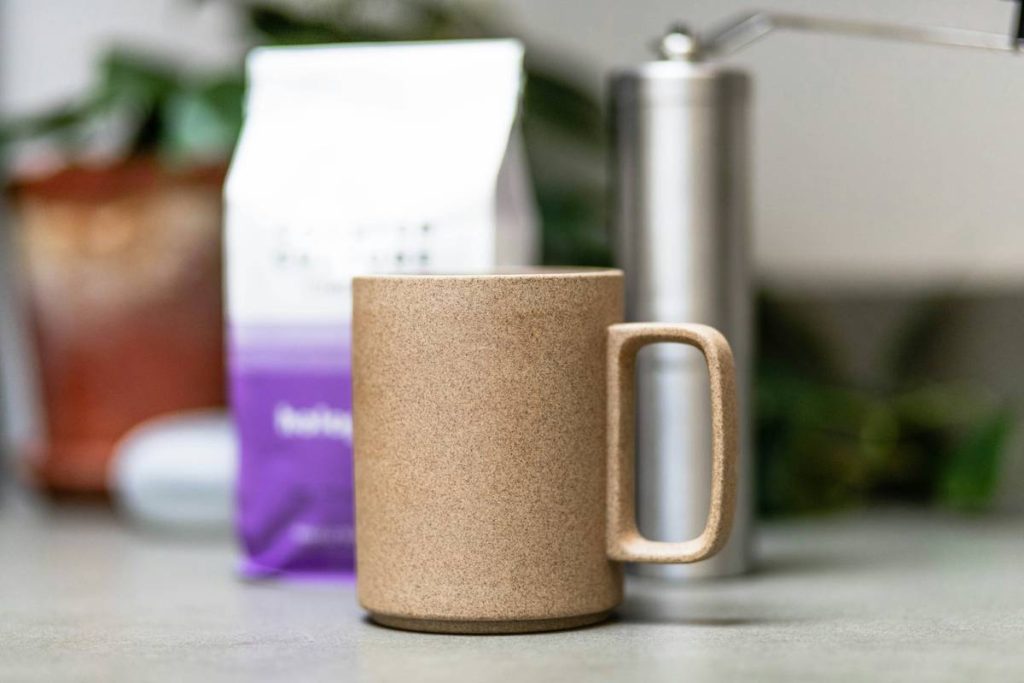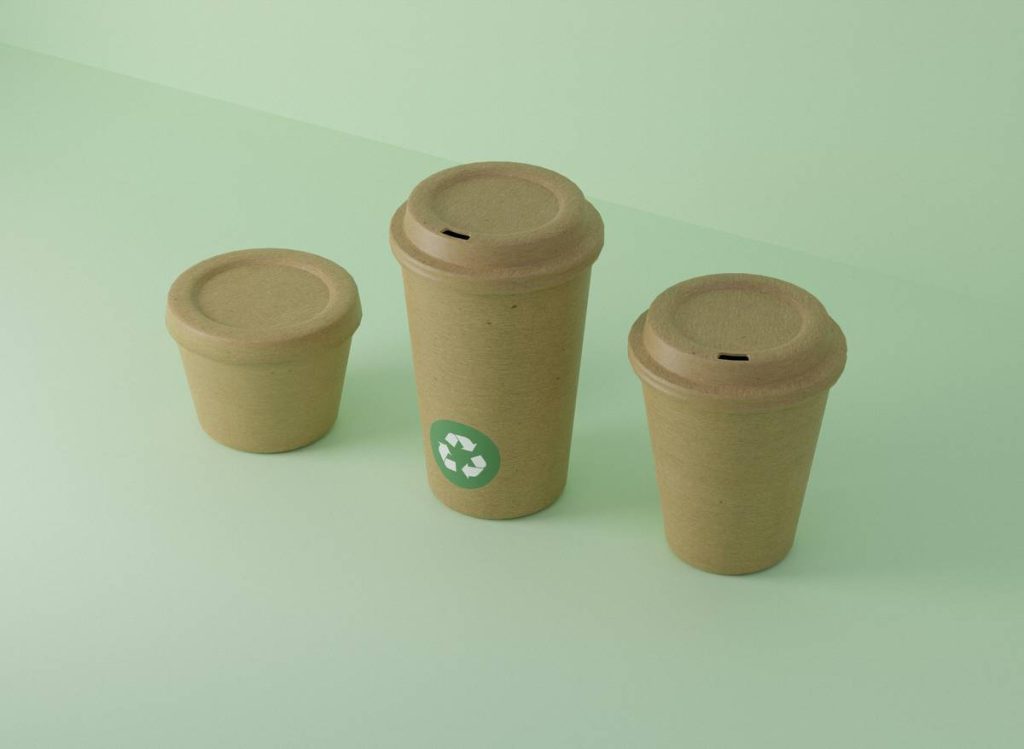
Every morning, millions grab disposable coffee cups—convinced they’re recyclable. They’re not. Most end up in landfills, coated in plastic linings that outlive us all. And your “compostable” cup? It needs industrial facilities that barely exist. The fix isn’t another gimmick. It’s switching to eco friendly coffee cups reusable—specifically, stainless steel mugs that last decades, not minutes.
The Disposable Delusion That’s Trashing Our Planet
Paper cups feel harmless. They’re not. Each one carries a hidden polyethylene layer—a petroleum-based plastic fused to the paper so it won’t leak. Recycling plants can’t separate them efficiently. So they pile up. Starbucks alone discards 6 billion annually. Think about it: your “quick coffee” creates waste that persists for 30+ years.
And bioplastics? They sound green—but decompose only under 140°F heat with specific microbes. Your backyard compost bin won’t cut it. You’re just swapping one lie for another.
How to Choose & Use eco friendly coffee cups reusable Like a Pro
Not all reusable mugs are built equal. Material, insulation, and lifecycle matter more than brand hype. Here’s how to pick one that actually reduces your footprint—without sacrificing your caffeine ritual.
Stainless Steel vs. Other Reusables: The Real Breakdown
| Material | Lifespan (Avg.) | Carbon Footprint (per use after break-even) | Leak Resistance | Best For |
|---|---|---|---|---|
| Stainless Steel (Double-Walled) | 10–20 years | ~2g CO₂ | Excellent | Daily commuters, outdoor use, hot/cold drinks |
| Ceramic | 1–3 years | ~8g CO₂ | Poor | Home or office use only |
| Plastic (BPA-Free) | 6 months–2 years | ~5g CO₂ | Good | Lightweight travel (but degrades with heat) |
| Paper (Single-Use) | 1 use | ~110g CO₂ | Fair | Never—unless you have zero alternatives |
The Break-Even Rule Most Brands Won’t Tell You
A stainless steel mug offsets its manufacturing emissions after just 15 uses. After that? Every sip is cleaner than disposable. But—here’s the catch—if you lose or break it within a month, you’ve gained nothing. Durability isn’t a bonus; it’s the entire point.
Cleaning Without Compromise
Some users ditch reusables because of lingering odors or stains. Wrong technique. Use baking soda + vinegar once a week—not dish soap alone. And never put insulated steel in the dishwasher; it degrades the seal over time. Hand wash. Dry upside down. Done.
The Industry Secret: Cafés Don’t Want You Bringing Your Own Cup
Baristas say they love reusable cups. Behind the scenes? Many shops discourage them. Why? Speed. A personal mug slows the assembly line—especially during rushes. Some even charge *more* for bringing your own, claiming “liability.” Others skip proper cleaning protocols, risking contamination. The truth: systemic change is stalled by convenience economics, not customer demand. That’s why your personal commitment matters more than their policy.
But here’s leverage: choose local roasters who reward bring-your-own-mug with discounts. They exist—and they prove sustainability and profitability can coexist.
Frequently Asked Questions
Are stainless steel coffee mugs really better than bamboo or silicone?
Yes. Bamboo cups often contain hidden melamine resin; silicone degrades under UV exposure. Stainless steel offers inert, non-leaching performance for decades.
Can I use my eco friendly coffee cups reusable for iced drinks too?
Absolutely. Double-walled stainless steel prevents condensation—no coasters needed. It keeps cold drinks icy for 12+ hours.
How do I know if my reusable cup is truly eco-friendly?
Check for food-grade 18/8 or 304 stainless steel. Avoid painted exteriors—they chip and expose coatings. Simpler design = longer life = lower footprint.