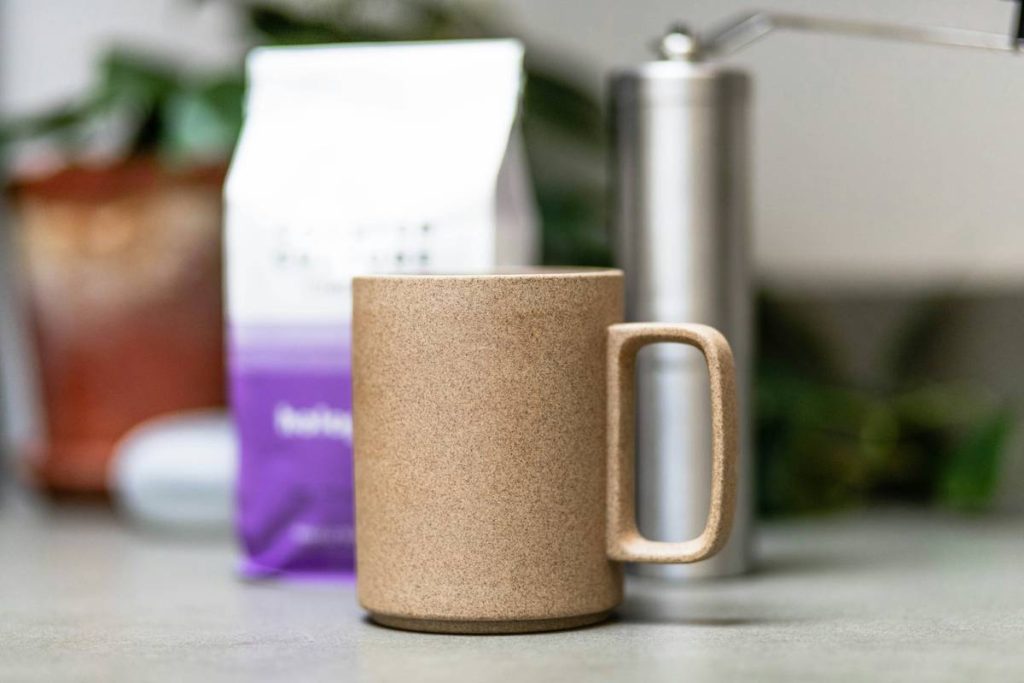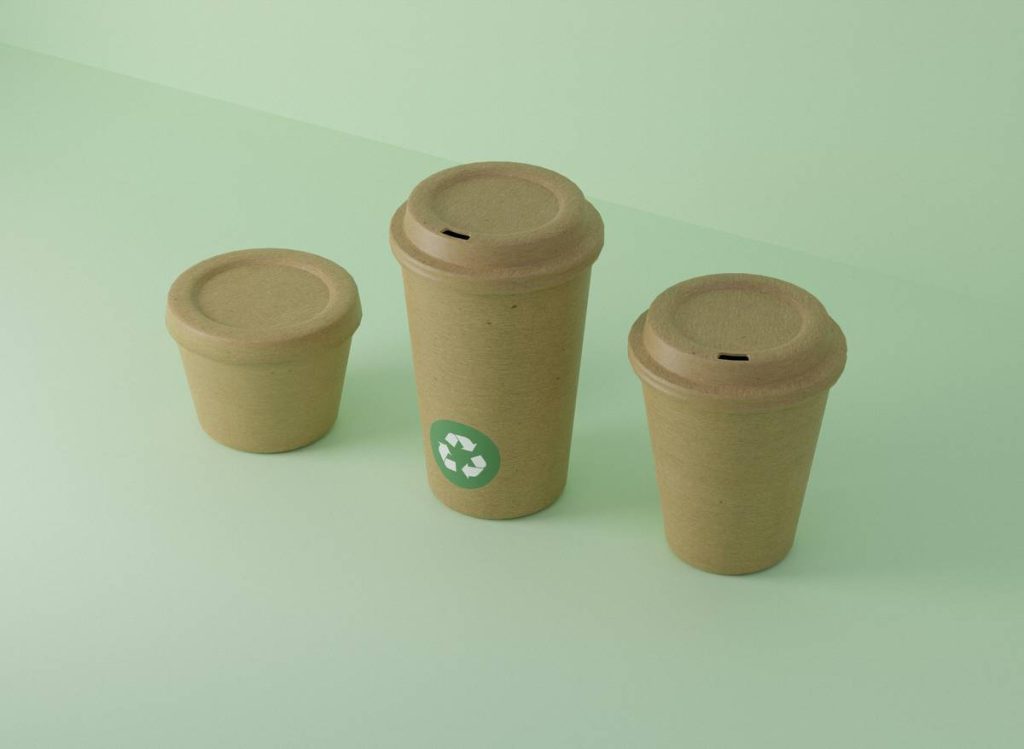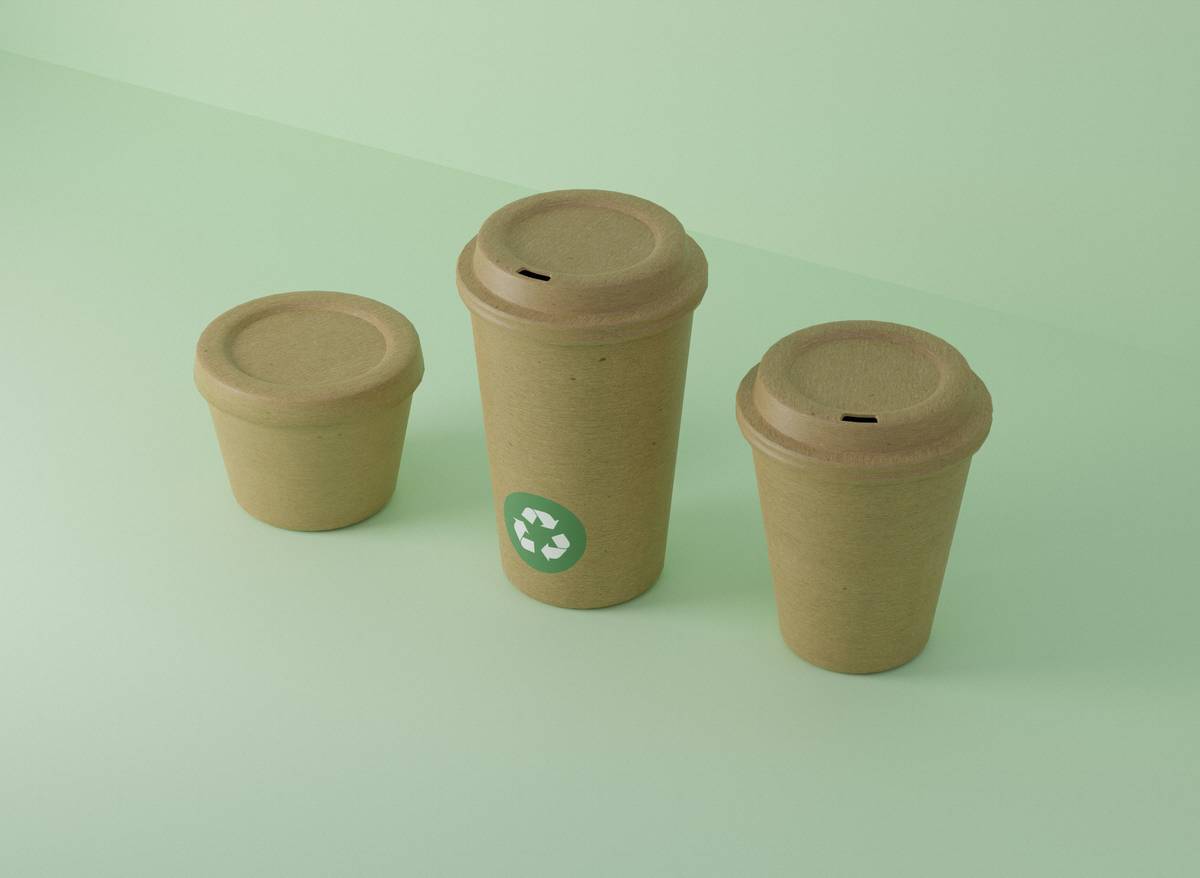
Every day, millions of disposable cups end up in landfills—lined with plastic that never truly breaks down. You’ve swapped your paper cup for a reusable one. Good move. But what if your “green” mug is just greenwashed junk? Enter the earth friendly coffee mug: durable, non-toxic, and built to outlive trends.
The Illusion of Eco-Friendliness in Reusable Mugs
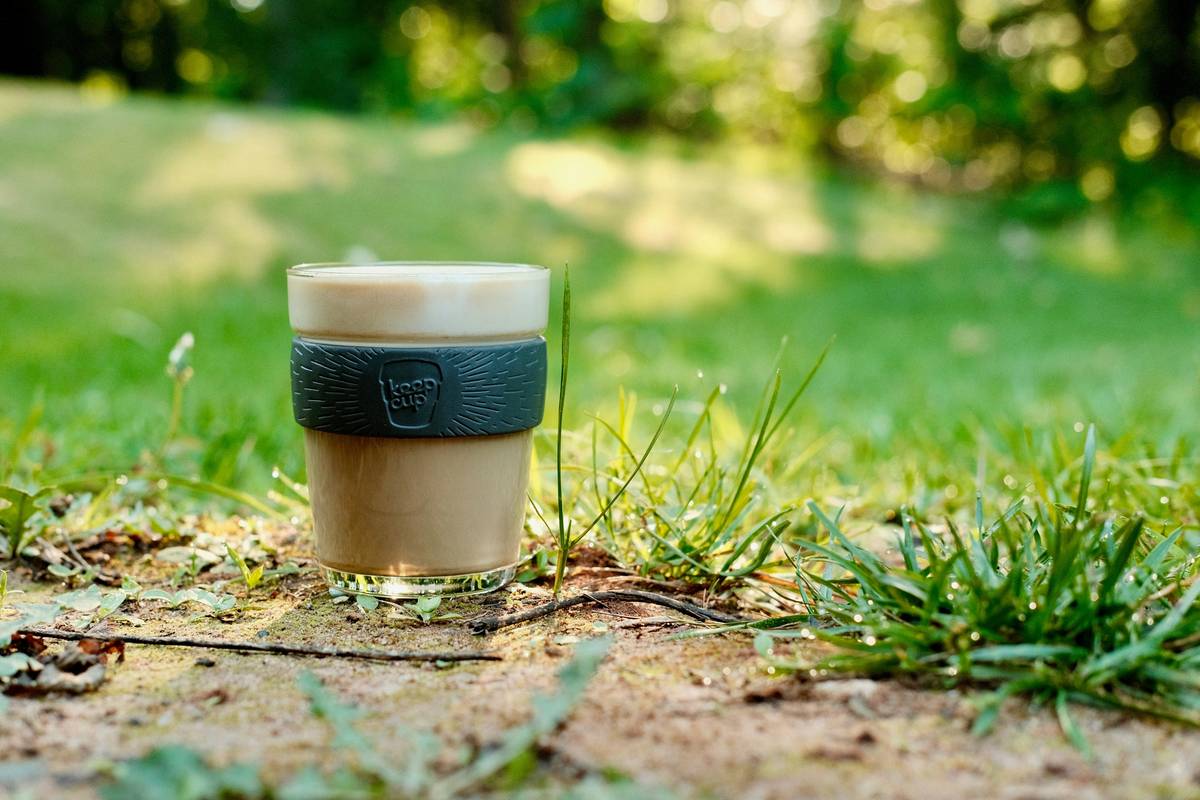
Not all reusables are created equal. Ceramic mugs chip. Glass cracks. Bamboo blends often hide melamine resin—a sneaky plastic that leaches when heated. And those colorful silicone sleeves? They shed microplastics with every wash.
Stainless steel? Different story. But even here, shortcuts abound. Some brands use 201-grade steel—cheaper, yes, but prone to corrosion and nickel leaching. Real sustainability isn’t just about reuse—it’s about material integrity, end-of-life recyclability, and ethical manufacturing.
How to Choose a Truly Earth Friendly Coffee Mug: A No-BS Step-by-Step
Material Matters More Than Marketing
Go for 18/8 or 304-grade stainless steel. It’s food-safe, rust-resistant, and infinitely recyclable. Avoid anything labeled “stainless steel blend” or without grade disclosure. Period.
Double-Wall ≠ Automatic Win
Yes, double-wall insulation keeps drinks hot longer—but it also makes recycling harder. At end-of-life, the bonded layers rarely separate cleanly. If longevity is your goal (and it should be), single-wall 304 steel lasts decades and recycles in minutes.
Certifications Aren’t Just Stickers
Look for SCS Global Recycled Content certification or Cradle to Cradle approval. These aren’t vanity badges—they verify supply chain transparency and actual environmental impact reduction.
| Mug Type | Lifespan (Avg.) | Recyclable? | Hidden Toxins | True Eco Score* |
|---|---|---|---|---|
| Bamboo Fiber Blend | 1–2 years | No (thermoset plastic binder) | Melamine, formaldehyde | 2/10 |
| Ceramic (Glazed) | 3–5 years | Partially (glaze contamination) | Lead/cadmium in cheap glazes | 4/10 |
| Single-Wall 304 Stainless Steel | 10–20+ years | Yes (95%+ recovery rate) | None | 9/10 |
| Double-Wall Vacuum Insulated | 7–10 years | Rarely (complex disassembly) | Potential off-gassing from sealants | 6/10 |
*Based on material safety, durability, recyclability, and lifecycle emissions—compiled from EPA data and independent LCA studies.
The Industry Secret No Brand Wants You to Know
Most “eco” kitchenware companies source steel from mills powered by coal—especially in Southeast Asia. The carbon footprint? Massive. But here’s the kicker: some U.S.-based makers use electric arc furnaces running on renewable energy. Their mugs cost slightly more. But over 15 years of daily use, that premium pays back in clean air and closed-loop recycling. Ask your brand: Where’s your steel melted? If they can’t answer instantly—walk away.
Frequently Asked Questions
Are stainless steel coffee mugs really better than ceramic for the environment?
Yes—if they’re high-grade (304) and used long-term. Ceramics require high-heat kilns (energy-intensive) and often contain toxic glazes. Steel wins on durability and recyclability.
Can I put my earth friendly coffee mug in the dishwasher?
Absolutely. 304 stainless steel resists corrosion and won’t degrade in dishwashers. Avoid abrasive scrubbers—they scratch the finish but won’t harm safety.
Do these mugs keep coffee hot as long as insulated travel mugs?
Not as long—but that’s intentional. Single-wall steel prioritizes simplicity and recyclability over extended heat retention. For desk use, it stays warm 45–60 minutes. Perfect for sipping, not storing.