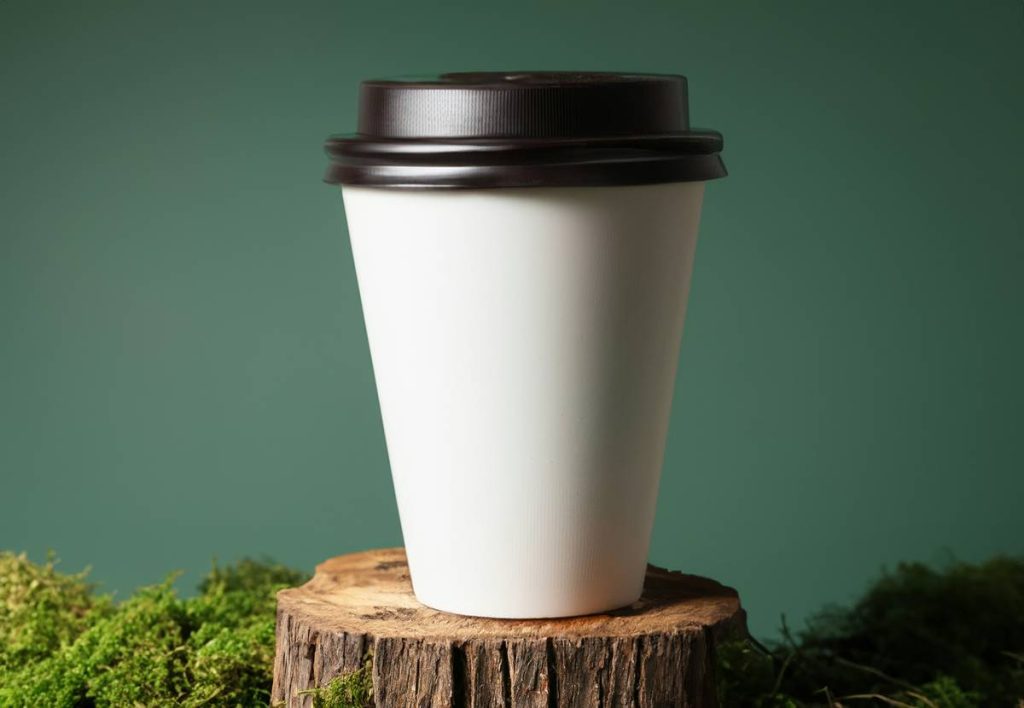
Your favorite ceramic travel cup cracks. Plastic leaches chemicals. Paper-lined disposables pile up in landfills—again. And your “eco-friendly” bamboo lid? Probably glued with formaldehyde resin. The daily grind shouldn’t cost the earth. Enter the zero foxtrot coffee mug: not just another tumbler, but a precision-engineered rejection of throwaway culture.
Why Most “Sustainable” Mugs Fail Within 6 Months
Most brands slap a leaf logo on powder-coated steel and call it green. Reality check? That coating chips at the first drop—exposing bare metal to acidic coffee, creating rust traps and off-flavors. Worse, double-walled insulation often uses vacuum seals that degrade after repeated dishwasher cycles. Leaks start. Temperature retention plummets. You’re back to disposable paper by month seven—not because you’re careless, but because the product was never built for real life. Sustainability without durability is theater.
How to Choose—and Use—a zero foxtrot coffee mug That Actually Lasts
Forget marketing fluff. Focus on three non-negotiables.
Material Purity Over Aesthetics
Go for 18/8 or 304-grade stainless steel—inside and out. No paint. No lining. If it needs a colored shell, it’s hiding something. Your mug should survive drops, dings, and decades of dishwashing without flaking or metallic taste.
True Vacuum Sealing (Not Just “Double Wall”)
Many cheap tumblers claim “double wall” but skip the vacuum step. Without that vacuum, heat transfer happens fast. Hold your mug filled with hot coffee for 60 seconds. If the outer wall gets warm, it’s fake insulation. Real vacuum-sealed mugs stay cool to the touch—even when holding boiling water.
Lid Design Dictates Longevity
A screw-on lid with silicone gasket beats push-button mechanisms every time. Fewer moving parts = fewer failure points. Bonus: choose one with a replaceable gasket. Most lids die because the seal hardens and cracks—not the plastic itself.
| Feature | Budget Tumbler ($15–$25) | Premium zero foxtrot coffee mug ($35–$45) |
|---|---|---|
| Steel Grade | 201-grade (prone to corrosion) | 18/8 surgical-grade stainless steel |
| Insulation Type | Air gap only (no vacuum) | Fully vacuum-sealed |
| Lid Mechanism | Snap-on plastic with glued seal | Screw-top with replaceable food-grade silicone gasket |
| Expected Lifespan | 4–8 months | 10+ years (with basic care) |
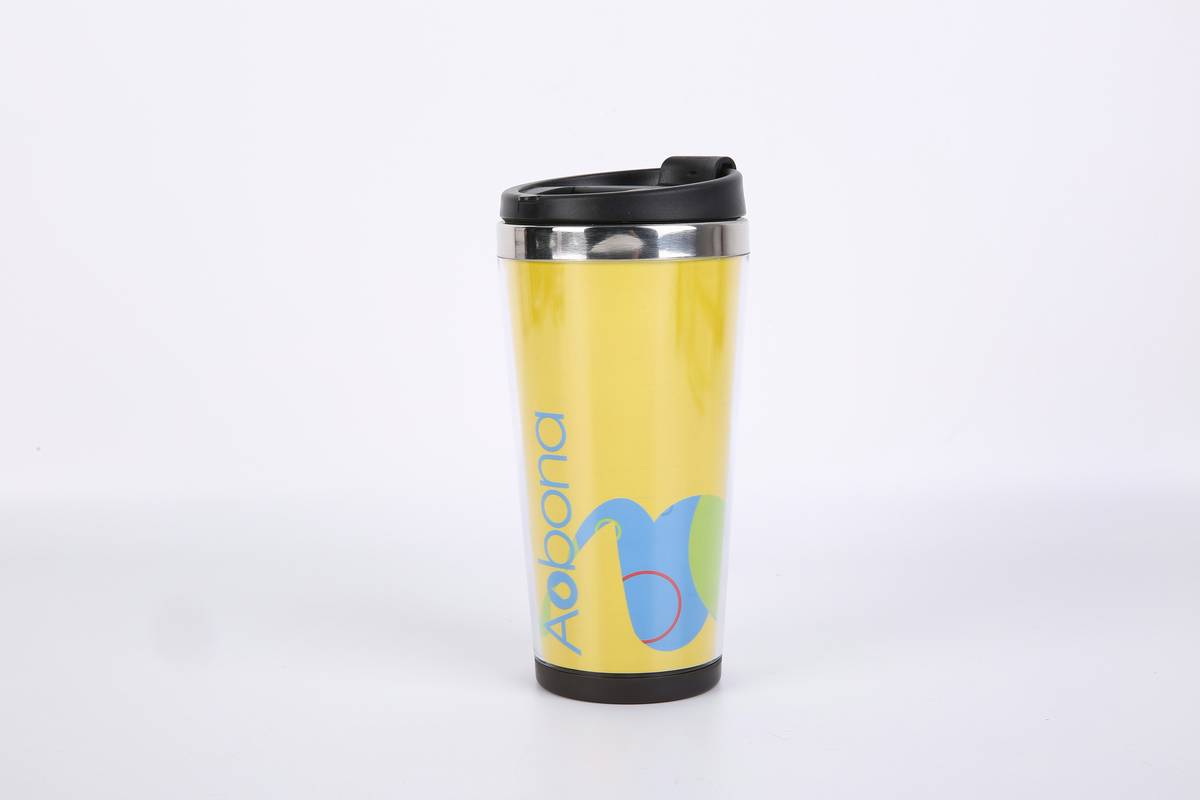
The Industry Secret: Why Cafés Don’t Serve in These Mugs (And Why That’s a Good Sign)
Here’s what no brand will tell you: most commercial cafés avoid high-end stainless steel mugs like the zero foxtrot coffee mug—not because they’re bad, but because they’re too efficient. A perfectly insulated mug keeps coffee hot for hours. Customers leave slower. Tables turn less. Profits dip. Your personal mug disrupts their throughput model. That resistance? It’s proof you’ve got something genuinely effective. And that same thermal performance means your home-brewed pour-over stays perfect from sunrise commute to mid-morning meeting.

Frequently Asked Questions
Is the zero foxtrot coffee mug dishwasher safe?
Yes—but place it on the top rack and remove the lid gasket first. High-heat drying can accelerate silicone wear over time.
Does it fit standard car cup holders?
Most models are designed with a 2.9-inch base diameter—compatible with 95% of vehicle cup holders. Always check specs before buying.
Can I use it for cold brew or iced drinks?
Absolutely. The same vacuum seal that retains heat also blocks external warmth—keeping ice solid for 12+ hours.