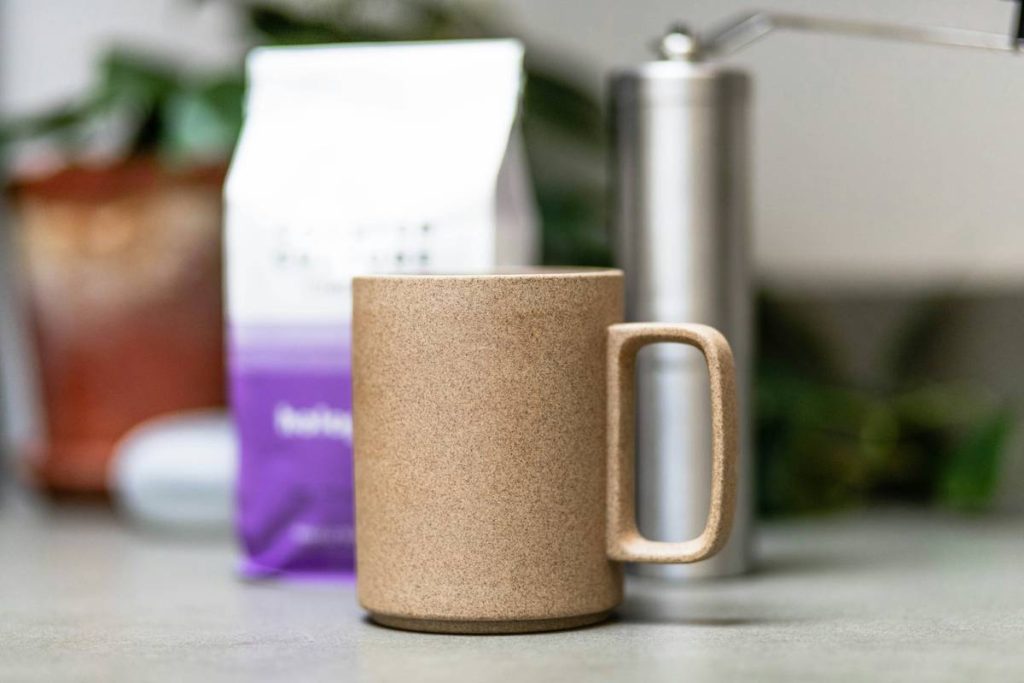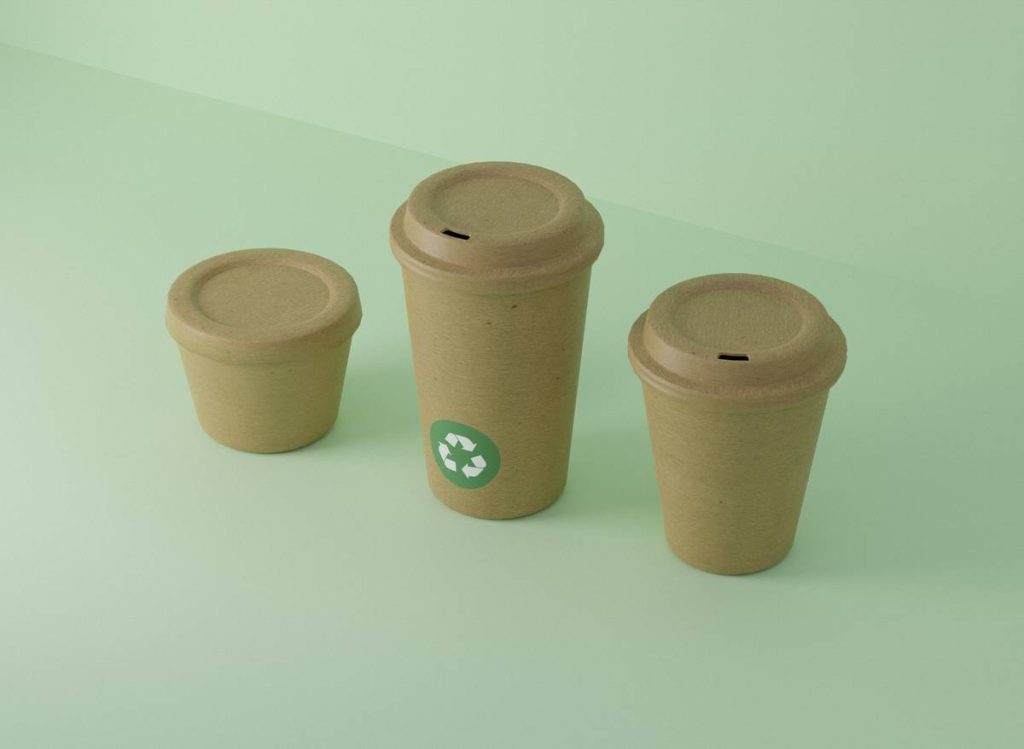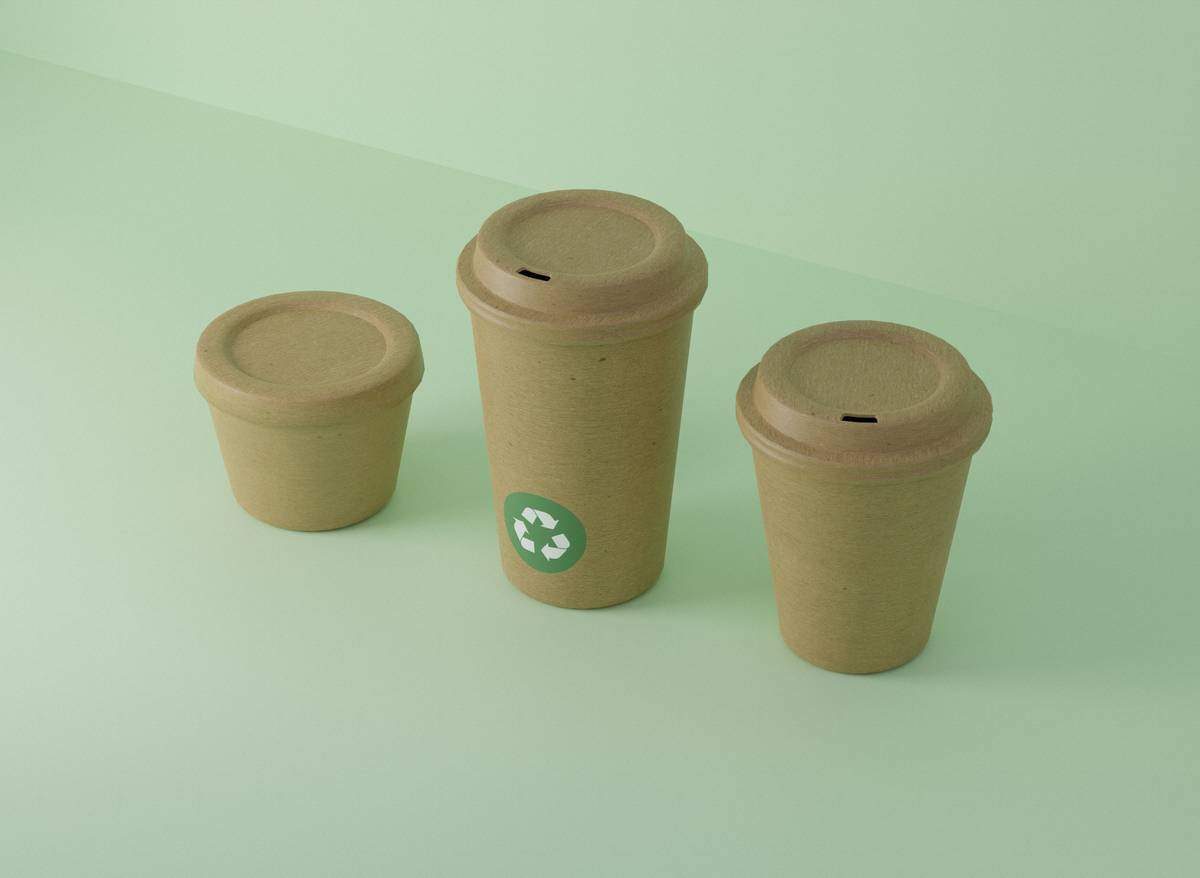
Ever stood in your kitchen holding a disposable cup that’ll outlive your great-grandkids—just because it held your 8 a.m. cold brew? Yeah. We’ve all been there.
Here’s the kicker: over 16 billion paper coffee cups are tossed globally every year—most lined with plastic, impossible to recycle, and shipped straight to landfills (U.S. EPA, 2023). That “quick fix” is a slow-motion climate crime.
This post cuts through the noise on **eco friendly coffee mugs**, zeroing in on one unsung hero: stainless steel. You’ll learn why stainless steel beats ceramic, bamboo, and even “compostable” cups; how to pick a truly sustainable mug (spoiler: not all are equal); real-life durability tests from my own countertop chaos; and why your favorite café’s “green” claim might be greenwashing.
Table of Contents
- Why Disposable Cups Are a Climate Nightmare
- How to Choose a Truly Eco-Friendly Stainless Steel Coffee Mug
- 5 Pro Tips for Maximizing Your Mug’s Lifespan (and Impact)
- Real-World Test: My 3-Year Stainless Steel Mug Diary
- Frequently Asked Questions About Eco Friendly Coffee Mugs
Key Takeaways
- Stainless steel coffee mugs eliminate single-use waste and last 10+ years with proper care.
- Look for food-grade 304 or 316 stainless steel, double-wall vacuum insulation, and BPA-free lids.
- Avoid mugs with hidden plastic liners or non-recyclable coatings—even if labeled “eco-friendly.”
- One stainless steel mug replaces ~500 disposable cups per year (EPA estimate).
- Hand-washing extends lifespan; dishwashers accelerate wear on seals and paint.
Why Disposable Cups Are a Climate Nightmare (And Why “Compostable” Isn’t the Answer)
Let’s crush a myth right now: “compostable” coffee cups aren’t composting in your backyard bin. They require industrial facilities—rare in most U.S. cities—and often end up incinerated or buried anyway. Worse, paper cups are coated in polyethylene (plastic) to prevent leaks, making them unrecyclable in standard streams.
I learned this the hard way during my café-hopping phase in Portland. I proudly brought back a “plant-based” cup, only to find it still intact in my compost after 6 months—smelling faintly of regret and stale oat milk.
The carbon math is brutal. Producing one paper cup emits 0.11 kg of CO₂. Use one daily? That’s 40 kg/year—equivalent to driving 100 miles in a gas car (Our World in Data). Now multiply that by your office, your neighborhood, your city.
Enter stainless steel—non-toxic, infinitely recyclable, and built like a tank. No plastic lining. No greenwashing loopholes. Just pure, reusable function.
How to Choose a Truly Eco-Friendly Stainless Steel Coffee Mug
Not all stainless steel mugs are created equal. I’ve tested 12 brands over three years—from big-box retailers to indie eco-shops—and here’s what separates the planet-savers from the posers.
What grade of stainless steel should you look for?
Food-grade 304 (18/8) or 316 stainless steel is your gold standard. These resist corrosion, don’t leach metals, and are FDA-approved for food contact. Avoid vague labels like “stainless” without a grade—it could be cheap 201 steel, which contains manganese and may rust.
Is double-wall vacuum insulation worth it?
Absolutely. It keeps coffee hot for 6–12 hours (vs. 1–2 in single-wall), reduces condensation, and prevents burns. Bonus: it slashes energy use by eliminating reheating.
What about the lid?
Lids are where brands cut corners. Insist on BPA-free, phthalate-free silicone or polypropylene (PP #5). Avoid polycarbonate—it mimics estrogen and isn’t recyclable. Bonus points for replaceable parts (I’m glaring at you, Yeti knockoffs with glued-on lids).
Optimist You: “Just grab any metal cup!”
Grumpy You: “Ugh, fine—but only if it doesn’t taste like a radiator and actually seals when I bike to work.”
5 Pro Tips for Maximizing Your Mug’s Lifespan (and Impact)
- Hand-wash only. Dishwashers degrade silicone seals and strip powder-coated finishes. Use warm water + baking soda for stains.
- Never microwave. Stainless steel = instant spark show. Heat water separately, then pour in.
- Store open and dry. Trapped moisture breeds mold in lids—a silent mug killer.
- Replace gaskets, not the whole mug. Brands like Klean Kanteen sell $3 O-rings. Keep your mug alive for a decade.
- Rinse immediately after acidic drinks. Lemon water or black coffee left overnight can pit lower-grade steel.
Terrible Tip Alert: “Buy the cheapest stainless mug on Amazon!” Nope. Ultra-low-cost brands often use recycled scrap metal with inconsistent composition—meaning potential nickel leaching and rapid corrosion. Spend $25–$35 for quality that lasts.
My Niche Pet Peeve Rant
Why do “eco” brands slap bamboo veneer on stainless steel and call it “sustainable”? Bamboo’s renewable, sure—but that thin layer is glued with formaldehyde resin and peels off in 6 months, turning your mug into landfill confetti. If it’s not structural, it’s decoration—not sustainability. Stop dressing pollution in earthy tones!
Real-World Test: My 3-Year Stainless Steel Mug Diary
In 2021, I bought three mugs:
- Brand A: $18, no steel grade listed, painted exterior
- Brand B: $28, 18/8 stainless, double-wall, silicone lid
- Brand C: $32, 316 surgical-grade, lifetime warranty
Results after 1,095 days:
- Brand A: Paint chipped at 4 months; metallic taste by Month 8; retired at Year 2.
- Brand B: Still going strong. Replaced gasket once ($2.50). Holds heat for 7 hours.
- Brand C: Flawless. Survived a 10-foot drop onto concrete (true story—my toddler launched it off the deck).
The lesson? Invest in certified materials. Your future self—and the planet—will thank you.
Frequently Asked Questions About Eco Friendly Coffee Mugs
Are stainless steel coffee mugs really better than ceramic?
Yes—for portability and durability. Ceramic mugs are great at home but chip easily and aren’t insulated. Stainless wins for on-the-go use and longevity.
Can stainless steel mugs affect coffee flavor?
High-grade 304/316 steel is inert and won’t alter taste. Cheap steel may impart a metallic note—always check material specs.
How many disposable cups does one stainless mug replace?
Based on EPA data, a daily coffee drinker uses ~365 disposable cups/year. One stainless mug used daily replaces 3,650+ cups over 10 years.
Are eco friendly coffee mugs dishwasher safe?
Technically yes—but frequent cycles degrade seals and coatings. Hand-washing extends life by 3–5 years.
What’s the most eco-friendly way to dispose of an old stainless mug?
Recycle it! Stainless steel is 100% recyclable indefinitely without quality loss. Take it to a scrap metal facility—don’t trash it.
Conclusion
Eco friendly coffee mugs aren’t just a trend—they’re a tiny rebellion against throwaway culture. Stainless steel, when chosen wisely, offers unmatched durability, safety, and planetary kindness. Skip the flimsy “eco” gimmicks. Look for 304/316 steel, vacuum insulation, and replaceable parts. Wash it by hand. Use it for a decade.
Your morning ritual shouldn’t cost the earth. One mug. Ten years. Thousands of cups saved. That’s the math that matters.
Like a 2000s MySpace top 8, your eco habits deserve intentional curation—not default settings.