Every morning, millions grab disposable coffee cups—convinced they’re harmless. But here’s the catch: those “recyclable” lids? Often not. And the cup lining? Plastic-coated paper that ends up in landfills anyway. You’re trying to be sustainable—but your go-to caffeine ritual is quietly sabotaging your values. The fix isn’t another compostable gimmick. It’s switching to eco friendly coffee cups with lids made from food-grade stainless steel.
Why Paper and “Compostable” Cups Keep Failing Us
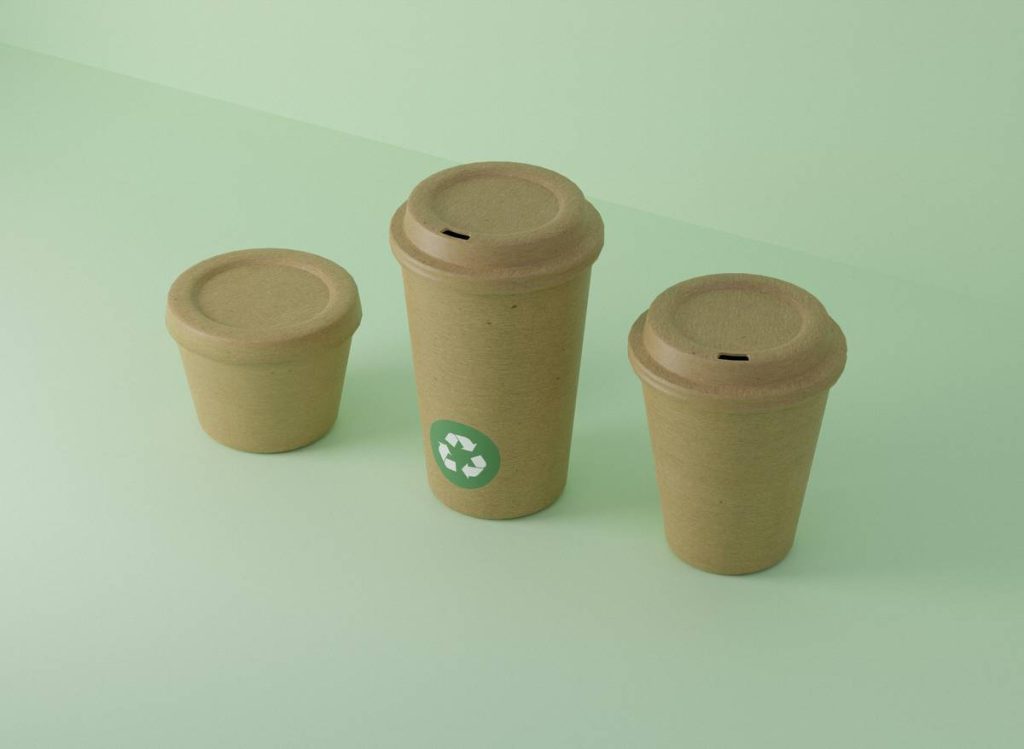
Paper cups look green. Feel green. Even smell like sustainability. But beneath the surface, they’re coated with polyethylene—a plastic film that makes recycling nearly impossible in most municipal systems. Compostable alternatives? They need industrial facilities that barely exist outside major cities. And don’t get me started on lids—those flimsy plastic domes are rarely collected separately.
And yet, we keep buying them. Because convenience trumps guilt—until it doesn’t. The average office worker uses 500 disposable cups a year. Multiply that by teams, commutes, errands… Suddenly, your “small habit” becomes a mountain of waste.
How to Choose & Use Eco Friendly Coffee Cups with Lids (Without Regretting It)
Not all reusable mugs are created equal. Pick wrong, and you’ll ditch it within a week. Here’s how to get it right:
Ditch Single-Wall Designs—Insulation Matters
A thin stainless mug feels hot in your hand and goes cold in 20 minutes. Double-wall vacuum insulation keeps drinks hot for 6+ hours or cold for 12—and the exterior stays comfortable. This isn’t luxury. It’s functionality.
Lid Type Dictates Daily Success
Screw-top lids leak less but slow you down. Push-button sip lids mimic café convenience—but must seal flawlessly. Flip-top designs? Great for one-handed sipping during drives. Your lifestyle—not aesthetics—should decide.
Maintenance Isn’t Optional
Stainless steel resists stains and odors—but only if cleaned properly. Skip the dishwasher if your model isn’t rated for it. Hand-wash lids immediately; dried coffee residue breeds funk. A weekly vinegar soak prevents mineral buildup.
| Type | Material | Price Range | Lifespan | True Eco-Impact |
|---|---|---|---|---|
| Paper Cup + Plastic Lid | PE-coated paper + PP plastic | $0.10–$0.30 each | Single use | High waste, low recyclability |
| “Compostable” Cup | PLA-lined paper + bio-lid | $0.25–$0.50 each | Single use | Only eco-friendly with industrial composting |
| Stainless Steel Reusable | 18/8 food-grade steel + silicone lid | $20–$40 one-time | 5–10+ years | Near-zero waste after ~15 uses |
The Industry Secret: Cafés Don’t Want You Bringing Your Own Mug (Here’s Why)
Baristas say they love reusable cups. But behind the counter? Many shops quietly discourage them. Not because they’re anti-environment—but because cleaning protocols slow service during rushes. Health codes require staff to handle only clean vessels. If your mug has residue, they can’t legally fill it without washing it first—which takes time they don’t have.
So what’s the workaround? Bring a spotless, dry stainless steel cup—and ask politely during off-peak hours. Better yet: buy beans and brew at home. The real sustainability win isn’t just the cup—it’s cutting out the entire takeaway system. Bonus: most indie roasters offer discounts for BYO containers once they trust your routine.
FAQ: Real Questions About Reusable Coffee Mugs
Are stainless steel coffee mugs really better than bamboo or glass?
Yes—for daily carry. Bamboo fiber cups often contain hidden melamine resin. Glass breaks. Stainless steel survives drops, dishwashers, and decade-long use with zero degradation.
Do eco friendly coffee cups with lids actually save money?
Absolutely. At $0.25 per disposable cup, breaking even happens in under 3 months. After that, every refill is pure savings—plus many cafés give $0.10–$0.50 discounts for bringing your own.
Can I put my stainless steel mug in the microwave?
Never. Metal + microwave = sparks, damage, or fire. Reheat coffee on the stove or in a ceramic mug instead.